Explore AyurMana
Shastriya Chikitsa · The Codified Science

Classical Ayurveda: The Living Medical Tradition

What separates genuine classical Indian medicine from commercial wellness trends? An unbroken 5,000-year codified Sanskrit medical science based on empirical observation, systematic diagnostics, and multi-stage pharmacology.

📜 Shastriya Ayurvedic Medicine
· Verified by Senior Kerala Vaidyas · 10 min comprehensive clinical study · Begin Reading ↓
Medical Canon & Integrity

Beyond Spa Wellness: The Codified Science of Shastriya Chikitsa

In contemporary culture, "Ayurveda" is often reduced to fragrant massage oils, herbal teas, or spa relaxation. While pleasant, these are superficial commercial offshoots. Shastriya Ayurveda (Classical Ayurvedic Medicine) is an exact, clinical hospital discipline grounded in primary Sanskrit medical treatises like the Charaka Samhita, Sushruta Samhita, and Ashtanga Hridaya.

Classical treatment requires the coordinated balance of four essential medical factors known as the Chikitsa Chatushpada (The Four Pillars of Clinical Therapeutics):

Bhishak

1. Bhishak (The Physician)

A master Vaidya with clinical acumen, deep scriptural mastery, practical hospital training, and pure compassionate intent.

Dravya

2. Dravya (The Substance)

Authentic botanicals sourced in pristine seasons, properly processed according to classical pharmacopeial formulations.

Upasthata

3. Upasthata (The Caregiver)

Trained, empathetic nursing therapists skilled in administering multi-stage panchakarma and wound therapies safely.

Rogi

4. Rogi (The Patient)

A receptive, disciplined patient who communicates symptoms honestly and adheres strictly to dietary instructions.

Charaka Samhita · Sutrasthana 9.3 "Bhishag dravyani upasthata rogi pada-chatashtayam |
Gunavat karanam jneyam vikarasya upashantaye ||"
"The physician, the medicine, the caregiver, and the patient constitute the four pillars of clinical medicine. When each is endowed with its necessary classical virtues, they succeed in curing even deep-seated disease."

This classical equation proves that healing is not a passive transaction, but an integrated therapeutic ecosystem.

Clinical Diagnostics

Ashtavidha Pariksha: The Eightfold Clinical Examination

Classical Vaidyas do not guess. Centuries before blood tests and stethoscopes, ancient physicians developed a comprehensive eight-point diagnostic method to decode biological health:

🩺

Pulse Diagnosis

Nādī Parīkṣā

Assessing the movement of Vata (snake gait), Pitta (frog leap), and Kapha (swan glide) under three fingertips on the radial artery.

👅

Tongue Examination

Jihwā Parīkṣā

Evaluating color, cracks, tremors, and the presence of toxic metabolic residue (Ama) reflecting gut and organ vitality.

🗣️

Voice & Breath Sound

Śabda Parīkṣā

Listening to vocal pitch, resonance, breath sounds, cough timbre, and joint friction indicating Dosha vitiation.

✋

Tactile Skin Texture

Sparśa Parīkṣā

Palpating temperature, moisture, skin roughness, edema, muscle tone, and tenderness across lymph channels.

👁️

Eye & Sclera Analysis

Dṛk Parīkṣā

Inspecting conjunctival color (pallor, redness, yellow jaundice), pupil reactivity, and the presence of Ojas brilliance.

🚶

Gait & Physical Posture

Ākṛti Parīkṣā

Evaluating spinal posture, joint angles, facial symmetry, walking rhythm, and constitutional skeletal density.

🧪

Urine Examination

Mūtra Parīkṣā

Observing morning urine clarity, color, sediment, and oil-drop spreading tests (Taila Bindu) for metabolic prognosis.

🌿

Stool Consistency

Mala Parīkṣā

Detecting whether stools float (free of Ama) or sink (dense with Ama), color, mucus, and regularity of bowel peristalsis.

Pharmaceutical Science

Bhaishajya Kalpana: The Classical Pharmacy

Classical Ayurveda never uses crude, unrefined powder shortcuts. Formulations are boiled, fermented, or infused over wood fires through multi-stage processing to maximize bioavailability:

Primary Water Extract

Kashayams / Kwathas

Concentrated Herbal Decoctions

Herbs are boiled with 16 parts pure water down to 1/4th volume over slow heat. Rapidly absorbed into the bloodstream to clear acute systemic inflammation and fevers.

Clinical Use: Arthritis, liver disorders, acute metabolic congestion
Natural Bio-Fermentation

Arishtams & Asavas

Self-Generated Herbal Tonics

Herbal juices fermented in clay jars with Dhataki flowers and jaggery for 30–60 days. The natural micro-alcohol carries botanical actives across micro-capillaries.

Clinical Use: Digestive weakness, respiratory fatigue, nerve tonics
Lipid Carrier System

Medicated Ghritas

Herbalized Cow's Ghee

Ghee is processed with herbal pastes for days until all water evaporates. Because lipids cross the blood-brain barrier, Ghritas treat mental, ocular, and neurological conditions.

Clinical Use: Memory, psychiatric health, neurological recovery, vision
External & Internal Oils

Medicated Tailas

Herbalized Sesame & Coconut Oils

Oils boiled with dozens of roots, milks, and botanicals. Used in Abhyanga, Shirodhara, and Basti enemas to soothe aggravated Vata and lubricate degenerate joints.

Clinical Use: Paralysis, spinal disc disease, sciatica, insomnia
Micronized Powders

Classical Churnas

Triphala, Trikatu, Avipattikar

Botanicals dried in shade, ground into microscopic powders, and sieved through fine silk. Preserves the full spectrum of phytochemicals for gut and metabolic cleansing.

Clinical Use: Bowel regulation, Agni rekindling, systemic detox
Herbal Jams & Confections

Avalehas (Rasayanas)

Chyavanprash, Brahma Rasayana

Herb decoctions reduced with raw honey, ghee, and jaggery into dense restorative pastes. Highly palatable, nourishing, and designed for long-term immune rebuilding.

Clinical Use: Cellular anti-aging, lung rejuvenation, pediatric immunity
The Living Tradition · AyurMana Hospital, Kerala

Where Classical Shastriya Medicine Lives Today

At AyurMana, our residential hospital sanctuary in Thiruvananthapuram, Kerala, the Dharma Ayurveda family preserves the authentic standards of classical Indian medicine. Every medicine is compounded in our pharmacy over wood fires, and every treatment protocol is verified against canonical Sanskrit treatises.
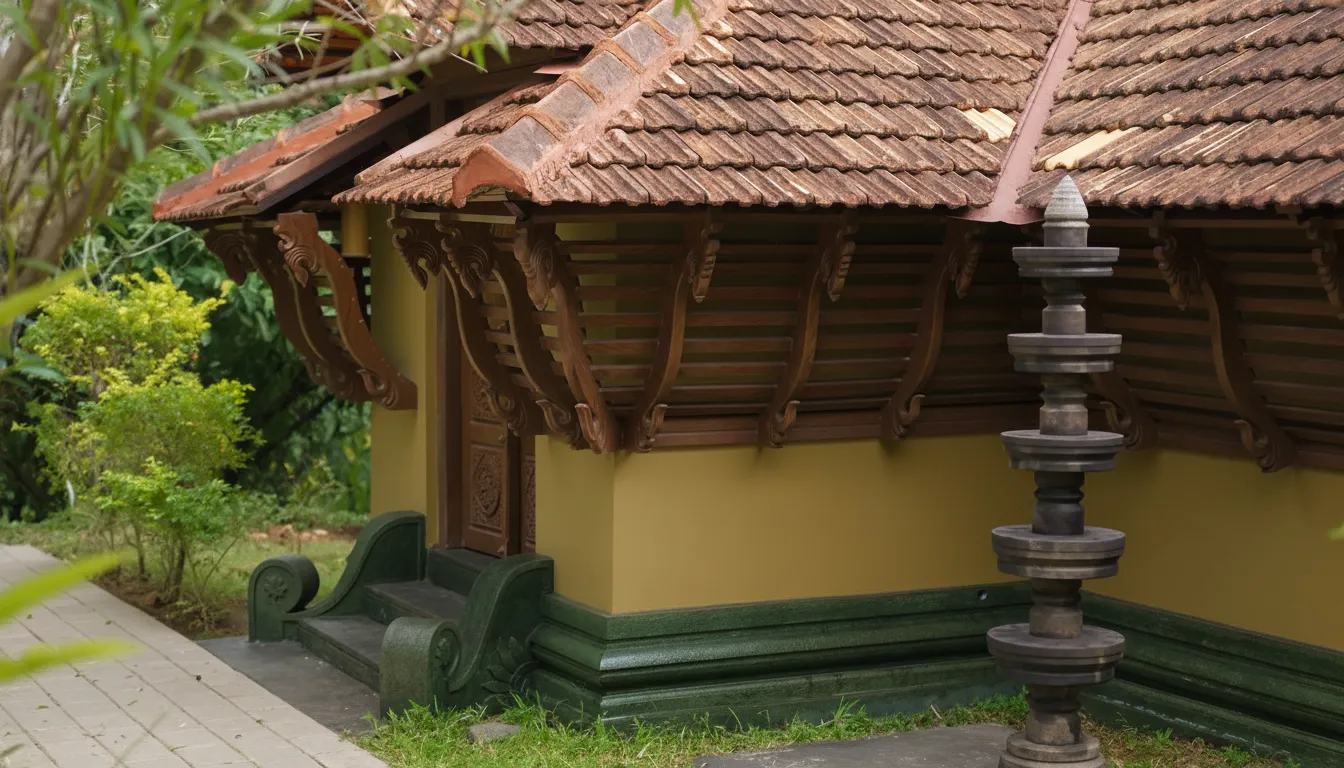
✓ Direct 9-generation Vaidya lineage led by Dr. Jayaprakash.
✓ Authentic Panchakarma administered strictly according to Ashtanga Hridaya protocols.
✓ Comprehensive inpatient hospital care for chronic arthritis, paralysis, and autoimmune syndromes.
AyurMana Inpatient Sanctuary · Thiruvananthapuram, Kerala
Medical Clarifications

Frequently Asked Questions on Classical Ayurveda

How classical Shastriya medicine differs from modern supplements and spa treatments. Here are honest, physician-approved clarifications.

Looking for authentic medical care?

Consult our senior Vaidyas at AyurMana for personalized diagnostic pulse evaluation.

Consult AyurMana Doctors →
How does Classical Ayurveda differ from modern over-the-counter herbal pills?

Modern commercial supplements typically isolate a single chemical compound (like 95% curcumin extract) and press it into a tablet. Classical Ayurveda rejects this reductionist approach. Classical formulas combine dozens of synergistic herbs with specific carriers (Anupanas like honey, warm milk, or ghee) that transport active botanicals to deep target tissues while buffering against stomach irritation and liver toxicity.

What is the significance of the Eightfold Pulse Diagnosis (Ashtavidha Pariksha)?

Ashtavidha Pariksha provides a multi-dimensional assessment of disease pathology. While a conventional blood test measures current chemical values, an Ayurvedic pulse examination reveals the sub-doshas, the strength of the tissue layers (Dhatus), the presence of latent toxicity (Ama), and early pathological tendencies before structural organ damage occurs.

Why are classical Ayurvedic oils and ghees boiled for multiple days?

The classical process of Sneha Kalpanarequires cooking herbs with oils and decoctions through distinct stages (Mridu, Madhyama, and Khara Paka). This prolonged low-temperature boiling transfers lipid-soluble active phytochemicals into the oil molecules while evaporating all water, preventing microbial spoilage and ensuring deep transdermal cellular penetration.

Can Classical Ayurveda treat advanced chronic conditions like stroke or arthritis?

Yes. Classical hospital Ayurveda specializes in chronic, degenerative, and autoimmune conditions where conventional medicine often offers only symptom management. In our Kerala inpatient hospital, multi-week intensive protocols (including medicated oil baths like Pizhichil and muscle-nourishing rice boluses like Navara Kizhi) actively stimulate neuro-muscular regeneration and joint cartilage repair.

Are classical Ayurvedic formulations safe and standardized?

Authentic Shastriya formulations prepared according to the Ayurvedic Pharmacopoeia of India are thoroughly safe when administered by qualified physicians. At Dharma Ayurveda and AyurMana, all raw botanicals are rigorously tested for authenticity, heavy metals, microbial limits, and pesticide residues.

✓

Classical Sanskrit Treatises Verified & Clinically Reviewed

Curated by the Dharma Ayurveda Editorial Council from the primary Sanskrit texts of Charaka Samhita, Sushruta Samhita, and Ashtanga Hridaya, and verified by senior Vaidyas at AyurMana Ayurvedic Hospital, Thiruvananthapuram, Kerala.

Last updated: October 2026
Continue Your Study

Explore Related Classical Foundations

Documented by Dharma Ayurveda. Practiced at AyurMana.

Every page here traces back to named classical Sanskrit sources and a practicing doctor who checked it before it went live.

Visit AyurMana Hospital →