Centuries before modern clinical medicine established separate departments, classical Indian physicians organized medical practice into eight specialized disciplines spanning surgery, internal medicine, psychiatry, pediatrics, and longevity science.
In Sanskrit, Ashta means "eight" and Anga means "limbs" or "branches." Together, Ashtanga Ayurveda represents the complete, eight-fold clinical curriculum codified by ancient masters to address every stage of human life and disease.
While many people in the West perceive Ayurveda solely as wellness, dietetics, or yoga lifestyle tips, classical Ayurveda is a full-spectrum clinical medical science. From surgical removal of bladder stones to pediatric intensive care and psychosomatic psychiatry, the eight branches provided a structured hospital system centuries ahead of its time.
This eight-fold division was first unified in the Sushruta Samhita and later popularized into everyday clinical practice by Acharya Vagbhata in the Ashtanga Hridaya.
"Kaya-bala-graha-urdhwanga-shalya-damstra-jara-vrishan |
Ashtavangani tasyahuh chikitsa yeshu samshrita ||"
"Internal medicine (Kaya), Pediatrics (Bala), Psychiatry (Graha), Supraclavicular ENT & Eye (Urdhwanga), Surgery (Shalya), Toxicology (Damstra), Rejuvenation & Geriatrics (Jara/Rasayana), and Fertility Science (Vrishan/Vajikarana) — these are the eight limbs upon which the science of healing rests."
This single verse, memorized by every traditional Kerala Vaidya, encapsulates the entire spectrum of Ayurvedic diagnosis and hospital therapeutics.
How classical Indian physicians diagnosed, managed, and treated conditions across all bodily systems.
In Sanskrit, Kaya refers to the bodily digestive fire (Agni) as well as the physical body itself. Kaya Chikitsa deals with generalized, non-surgical systemic diseases originating from impaired digestion and toxic residue (Ama) circulating in the bloodstream.
Conditions: Rheumatoid arthritis (Amavata), Osteoarthritis (Sandhivata), Diabetes (Prameha), chronic fevers, IBS.
Therapeutic Arsenal: Medicated decoctions (Kashayams), herbal ferments (Arishtams), medicated ghritas, and fasting.
Core Principle: Rekindling metabolic Agni so the body burns its own cellular toxins naturally.
Kerala Specialty: Formulation of individualized herbal compounds matched to patient pulse.
Kaumarbhritya encompasses the entire reproductive journey: preconception maternal health, prenatal nutrition, safe delivery protocols, postpartum recovery, breast milk testing, and childhood developmental milestones.
Maternal Care: Month-by-month dietary regimens (Garbhini Paricharya) to optimize fetal tissue development.
Infant Immunity: Suvarna Prashan (purified gold ash with Brahmi and ghee) to boost cognitive acuity and infection resistance.
Gentle Therapeutics: Pediatric medicines are micro-dosed and administered through milk, honey, or gentle herbal teas.
Stanya Pariksha: Analyzing maternal breast milk for Dosha vitiation when infants develop colic or rashes.
Ancient masters recognized that mental disturbances (Manasika Roga) stem from an imbalance of the mental qualities Rajas and Tamas, deeply interacting with physical Vata. This branch covers anxiety, severe depression, sleep disorders, epilepsy, and psychosomatic illness.
Nervine Botanicals: Brahmi, Shankhpushpi, Jatamansi, and Ashwagandha to calm hyperactive neurotransmission.
Physical Therapies: Shirodhara (warm rhythmic oil streaming) and Shiro Pichu to cool brain inflammation.
Sattvavajaya: Classical Ayurvedic cognitive-behavioral counseling to release unhealthy attachments.
Sound & Vibration: Mantra therapy and meditation (Daiva Vyapashraya) to harmonize subtle bio-fields.
Named after the slender surgical probes (Shalaka) used by ancient practitioners, this discipline specializes in diseases affecting the head and sense organs: cataracts, glaucoma, chronic sinusitis, migraines, hearing loss, and dental disorders.
Netra Kriya Kalpa: Specialized ocular therapies including Netra Tarpana (retaining medicated ghee over the eyes).
Nasya Therapy: Administering medicinal oils through nasal passages to reach intracranial pathways directly.
Karna Poorana: Instilling warm herbalized oils into ears for tinnitus, hearing impairment, and jaw stiffness.
Cataract Couching: Sushruta’s historic surgical procedure dislodging clouded lenses with curved needles.
Shalya refers to foreign objects, arrows, thorns, or damaged tissues causing pain. Sage Sushruta documented 121 surgical instruments (forceps, scalpels, trocars, bone cutters) and trained students using watermelons, clay pots, and animal cadavers.
Plastic Surgery: Pioneered forehead and cheek flap rhinoplasty, recognized globally as the origin of plastic surgery.
Kshara Sutra: Medicated alkaline thread therapy for anal fistula, proven superior to surgery with near-zero recurrence.
Orthopedics: Bone fracture classification, immobilization splints, and herbal bandages accelerating callus formation.
Leech Therapy (Jalaukavacharana): Bloodletting with medicinal leeches to clear localized microvascular venous congestion.
Agada Tantra encompasses animal poisons (snakebites, spider bites, scorpion stings), mineral toxicity, water contamination, and food incompatibilities (Viruddha Ahara). It holds immense relevance today in clearing chronic environmental pollution and pesticide loads.
Dushi Visha: The classical concept of low-grade, latent toxins that accumulate in tissues and trigger autoimmune disease.
Kerala Visha Chikitsa: A world-renowned regional tradition of emergency botanical antidotes for venomous snakebites.
Food Incompatibilities: Identifying foods that produce toxicity when combined (e.g. heated honey, milk with fish).
Environmental Epidemiology: Janapadodhvamsa — understanding how polluted air, water, and soil cause mass epidemics.
Rasa refers to the nutrient fluid formed from digestion, and Ayana means the pathway. Rasayana therapies optimize the quality of cellular nutrition so that every tissue from plasma to marrow lives longer, resists oxidation, and preserves cognitive memory.
Adaptogenic Herbs: Ashwagandha, Amla, Guduchi (Giloy), and Shatavari to enhance telomere length and cellular resilience.
Medhya Rasayana: Specialized brain tonics (Brahmi, Mandukaparni) to delay age-related cognitive decline.
Kuti Praveshika: Intensive indoor rejuvenation retreat in specialized light-sealed chambers for deep cellular renewal.
Ojas Building: Strengthening the subtle biochemical essence responsible for disease immunity and inner radiance.
In Sanskrit, Vaji means horse — a symbol of endurance, strength, and vitality. Vajikarana is the specialized clinical branch dedicated to enhancing sexual vitality, resolving male and female infertility, and optimizing the biological quality of ovum and sperm.
Infertility Protocols: Treating low sperm count, motility issues, hormonal PCOS, and anovulation naturally.
Botanical Tonics: Kapikacchu (Mucuna pruriens), Gokshura, Safed Musli, and Ashwagandha to nourish reproductive tissues.
Eugenics & Preconception: Detoxifying both partners before conception to ensure sound genetic health for future children.
Nervous Vitality: Rebuilding the deepest tissue layer (Shukra Dhatu) which fuels stamina, courage, and vitality in everyday life.
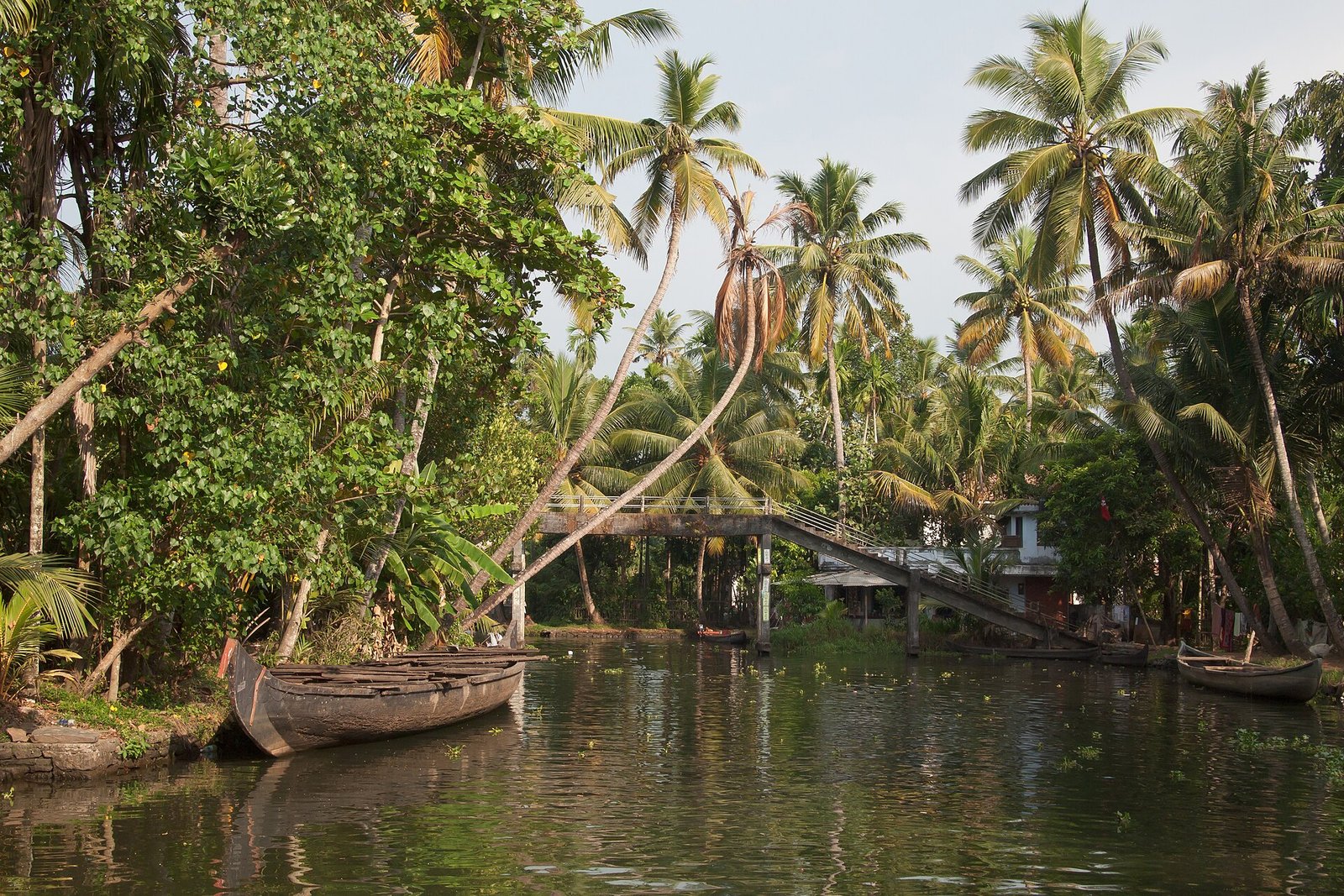
Kerala, India: Where all eight branches survived unbroken through royal physician lineages
While many parts of India saw certain branches of medicine decline over centuries of political instability, Kerala maintained a unique royal institution known as the Ashtavaidyas (literally: Physicians of the Eight Branches).
Eighteen aristocratic Brahmin families were granted royal patronage by the monarchs of Travancore and Cochin on one strict condition: their physicians had to be comprehensively trained and clinically proficient in all eight branches, ensuring that surgery, pediatrics, toxicology, and internal medicine were practiced together under one roof.
"The hallmark of Kerala Ayurveda is that it never separated medicine from surgery, nor pediatrics from psychology. It treated the complete human person through all eight perspectives simultaneously."
At AyurMana, our residential hospital sanctuary in Thiruvananthapuram, Kerala, the Dharma Ayurveda family continues this 9-generation multi-disciplinary legacy. Whether you need deep internal medicine (Kaya Chikitsa) for arthritis, Panchakarma detoxification, or specialized rejuvenation (Rasayana), our senior Vaidyas guide your recovery with time-honored clinical precision.
Comprehensive diagnosis across Doshas, Dhatus, and all eight classical disciplines.
Inpatient residential hospital setting in tranquil Kerala nature with 24/7 doctor supervision.
Fresh herbal decoctions prepared daily in our pharmacy from pristine Western Ghats botanicals.
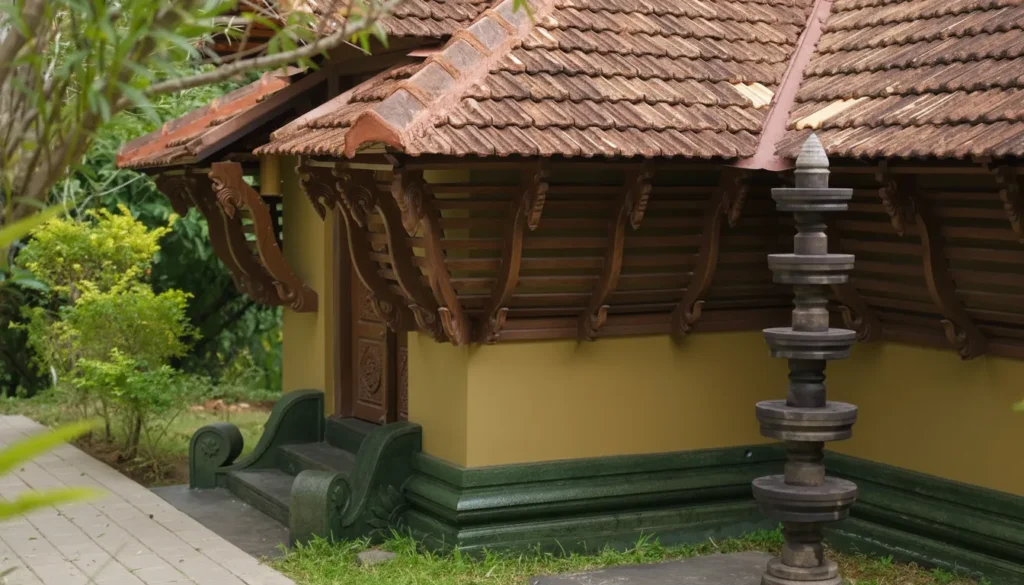
AyurMana Inpatient Healing Sanctuary · Thiruvananthapuram, Kerala
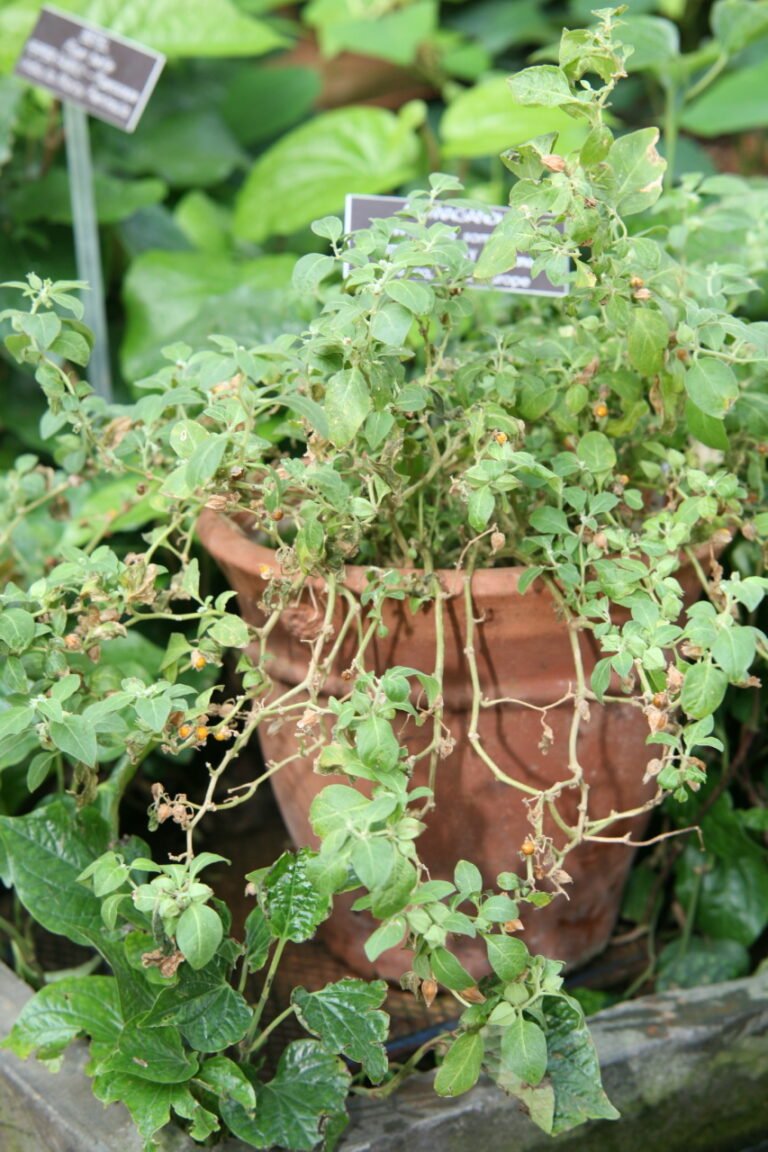
Ashwagandha · Rasayana
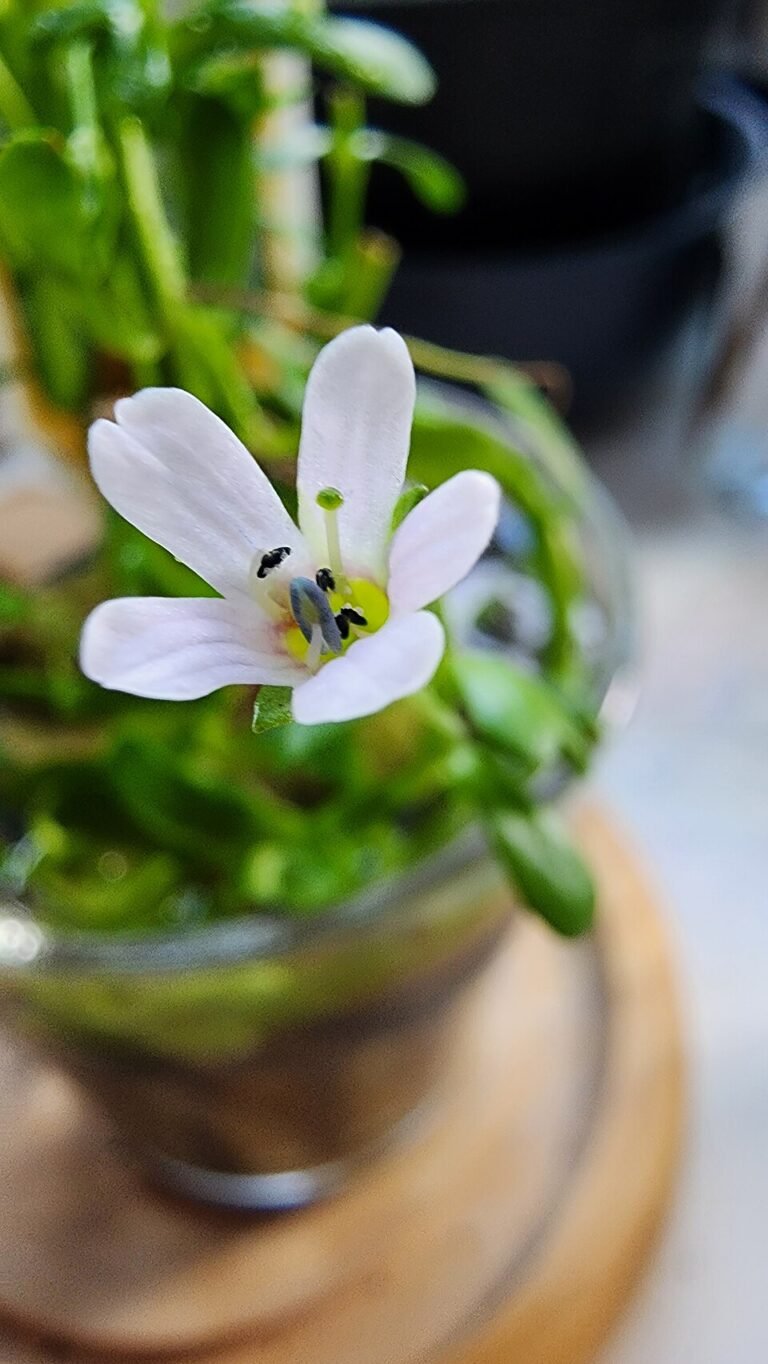
Brahmi · Mind
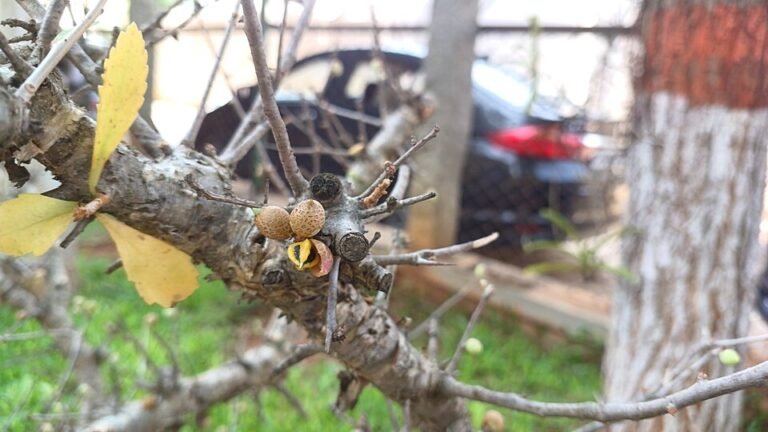
Guggulu · Kaya Chikitsa
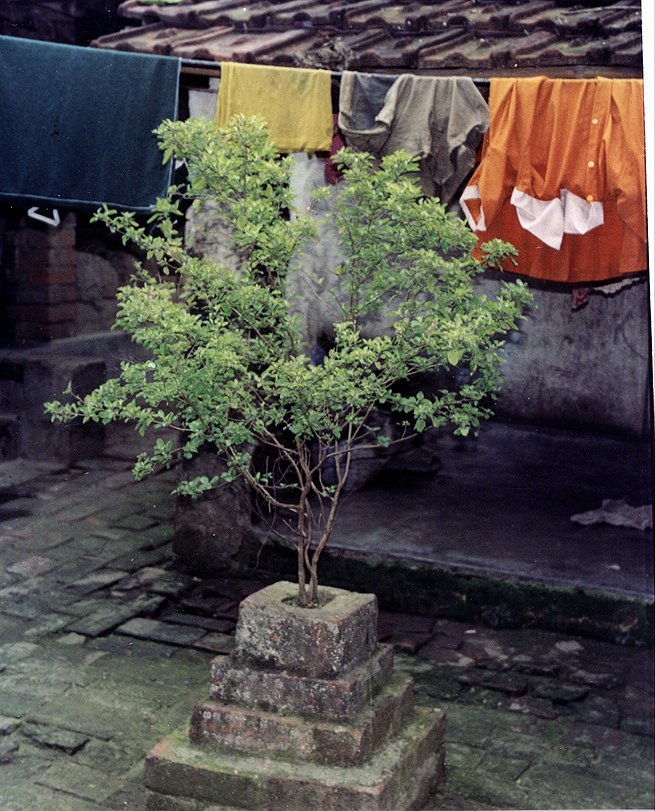
Tulsi · Shalakya
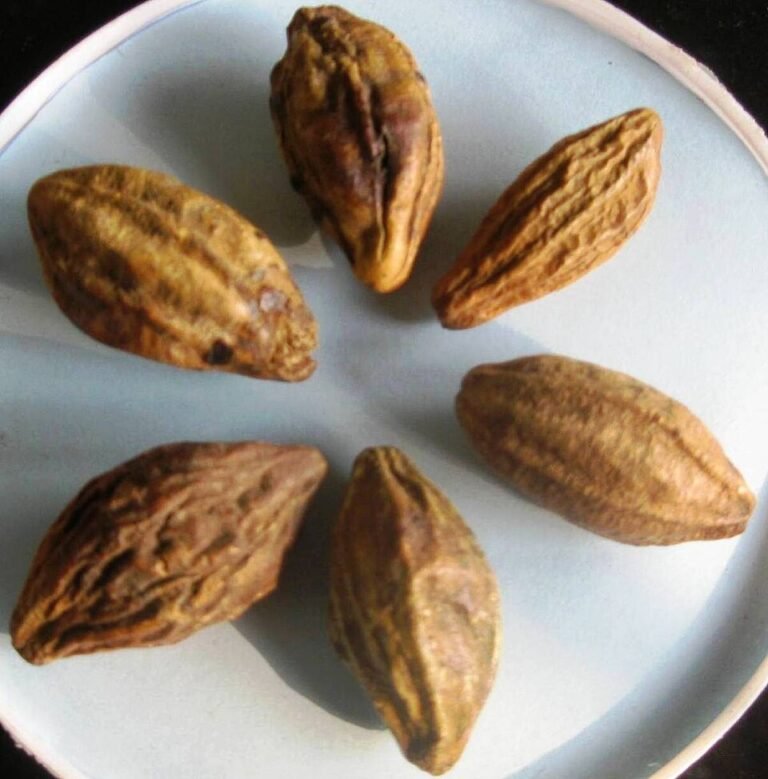
Haritaki · Detox
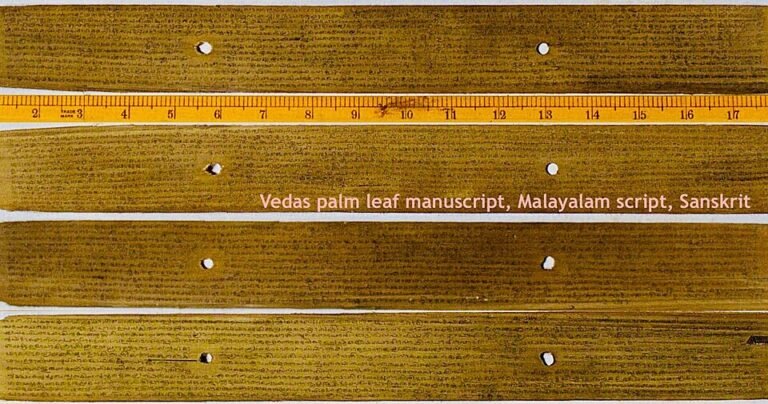
Ashtanga Treatises
Common questions about how these eight ancient disciplines compare with modern medical specialties and how they are practiced in modern hospitals.
Our senior Vaidyas can assess your condition through the lens of classical Ashtanga medicine.
Consult AyurMana Doctors →In modern India, major emergency trauma and thoracic surgeries are handled by conventional hospitals with modern anesthetics. However, traditional Ayurvedic surgery remains active in specialized domains: notably Kshara Sutra (the medicated alkaline seton thread treatment for complex anal fistulas and hemorrhoids, recognized globally by modern surgical boards for its low recurrence and minimal tissue damage) and parasurgical procedures like medical bloodletting (Raktamokshana) and thermal cauterization (Agnikarma) for tendonitis and severe joint pain.
Ayurveda views depression as an imbalance of Tamas (mental darkness/inertia) combined with depleted Kapha and vitiated Vata (which governs the nervous system). Unlike conventional psychiatry that often relies solely on synthetic neurotransmitter reuptake inhibitors, Ayurveda addresses depression through multiple gates: restoring gut Agni (since 90% of serotonin is synthesized in the gut), administering adaptogenic nervine botanicals (Brahmi and Shankhpushpi), and calming the central nervous system with Shirodhara oil flow therapy.
While both belong to tonification and longevity science, their target tissues differ. Rasayana nourishes all seven bodily tissue layers sequentially (from plasma down to bone and marrow) to extend lifespan, strengthen immune Ojas, and prevent cellular oxidation. Vajikarana specifically focuses on the seventh and deepest tissue layer — Shukra Dhatu (reproductive tissue) — optimizing hormonal vitality, virility, and the genetic health of egg and sperm.
Classical texts refer to the head as the Uttamanga (the supreme organ) because all sensory faculties, the brain, and the master cranial nerves reside here. Because tissues in the brain and sensory organs are delicate and protected by the blood-brain barrier, ancient physicians developed specialized localized therapies (such as Nasya nasal drops and Netra Tarpana eye pools) to treat head conditions directly without disturbing gut digestion.
The Ashtavaidyas maintained the continuity of the entire medical system when northern universities were destroyed during medieval conflicts. Because they preserved both surgical techniques and Panchakarma therapies through uninterrupted familial apprenticeship, Kerala became the only region on earth where the complete, unbroken physical practice of classical Ayurveda survived into the 21st century.
Curated by the Dharma Ayurveda Editorial Council from the primary Sanskrit treatises of Charaka Samhita, Sushruta Samhita, and Ashtanga Hridaya, and verified by senior physicians at AyurMana Ayurvedic Hospital, Thiruvananthapuram, Kerala.
The 5 elements, 3 Doshas, and the dual purpose of keeping healthy and curing illness.
From Vedic hymns to Nalanda University and the living Ashtavaidya tradition of Kerala.
How consciousness condenses into matter through Samkhya and the Three Gunas.
The five classical cleansing therapies designed to purge cellular toxicity.
Every page here traces back to named classical Sanskrit sources and a practicing doctor who checked it before it went live.
Visit AyurMana Hospital →